Do people watch?
Watch time is the most important signal. The first two seconds decide whether people stay.
Free social guide for businesses
Everything we cover with clients before their first shoot day: positioning, content pillars, hooks, formats, equipment and a plan for the first 30 days. Ready to use, even without an agency.
01 · Foundations
Instagram, TikTok and LinkedIn first show your video to a small group. If they react well, it earns more reach. Three signals matter most.
Watch time is the most important signal. The first two seconds decide whether people stay.
A video shared by DM is considered especially valuable.
Tutorials, checklists and tips earn the most saves.
The good news: follower count barely affects the reach of one video. Every new video gets a fresh chance.
02 · Positioning
Most business accounts do not fail because of the camera. They fail because nobody knows who the channel is for. Answer each question in one sentence.
Be specific. Think of your best customer from the past year.
Weak: homeowners. Strong: couples aged 35–55 who bought an older home and want to renovate the bathroom.
Describe life before the purchase: what frustrates, worries or costs time?
Example: fear of hidden costs and a project running weeks late.
What can you do or show that others cannot?
Example: a fixed price before work begins and a team with 20 years of specialisation.
The test: after three videos, a stranger should be able to say what your account stands for and who it is for.
03 · Content pillars
Fixed topic areas eliminate the daily question: what should we post? Choose your industry for tailored examples.
What customers should know about care, mistakes and materials.
Site updates, before/after and process time-lapses.
Introduce apprentices, experts and the people doing the work.
Explain prices, timing and the process honestly.
Your homework: write down ten ideas per pillar. Everyday customer questions are almost always the best topics.
04 · Structure
These five parts turn any topic into a short video. Aim for 20 to 45 seconds.
Hook · 0–2 sec
A sentence and an image that create instant curiosity.
Context · to 6 sec
One sentence explains what the viewer will get.
Content · the core
A tip, process or story, short and specific.
Payoff · reveal
Show the result, before/after or answer.
CTA · final sec
Follow, save, comment or ask by DM.
We see this mistake in almost every home.
Close-up: paint peeling from a wall.
And it doubles your painting work in two years.
Painter looks into camera.
The wall was painted without primer. Test it yourself with adhesive tape.
Real-time close-up test.
With primer, the same wall lasts ten years or more.
Before/after split screen.
Save this for your next renovation.
On-screen text: Save.
05 · Hooks
A strong hook works through speech, text and visuals. Use these templates as your starting point.
The first sentence starts immediately and promises something.
The same hook appears as readable on-screen text.
Show movement or a result in the first frame, never a static shot.
01The most common [topic] mistake we see every week:
Example: The most common painting mistake we see every week.
02What no [profession] tells you about [topic].
Example: What no car dealer tells you about lease returns.
03What does [service] really cost? The honest answer.
Example: What does a website really cost? The honest answer.
04Stop [common habit].
Example: Stop washing your pan with dish soap.
05This is what [result] looks like after [time].
Example: This is what a wooden floor looks like after 20 years of proper care.
06[Number] things I wish I knew before [activity].
Example: 3 things I wish I knew before opening my café.
07POV: You are [customer] and [typical situation].
Example: POV: You are the client and the floor is still not dry.
08We tested [unusual thing]. The result:
Example: We tested 5 power drills. The result:
09If you have [situation], watch this.
Example: If you bought an old house, watch this.
10Myth or fact: [common belief]?
Example: Myth or fact: warm up your car in winter?
You or formal address? Choose once and stay consistent. A casual voice is common on Instagram and TikTok; LinkedIn is mixed.
06 · Formats
These five formats are easy to shoot, need no actors and work in any industry.
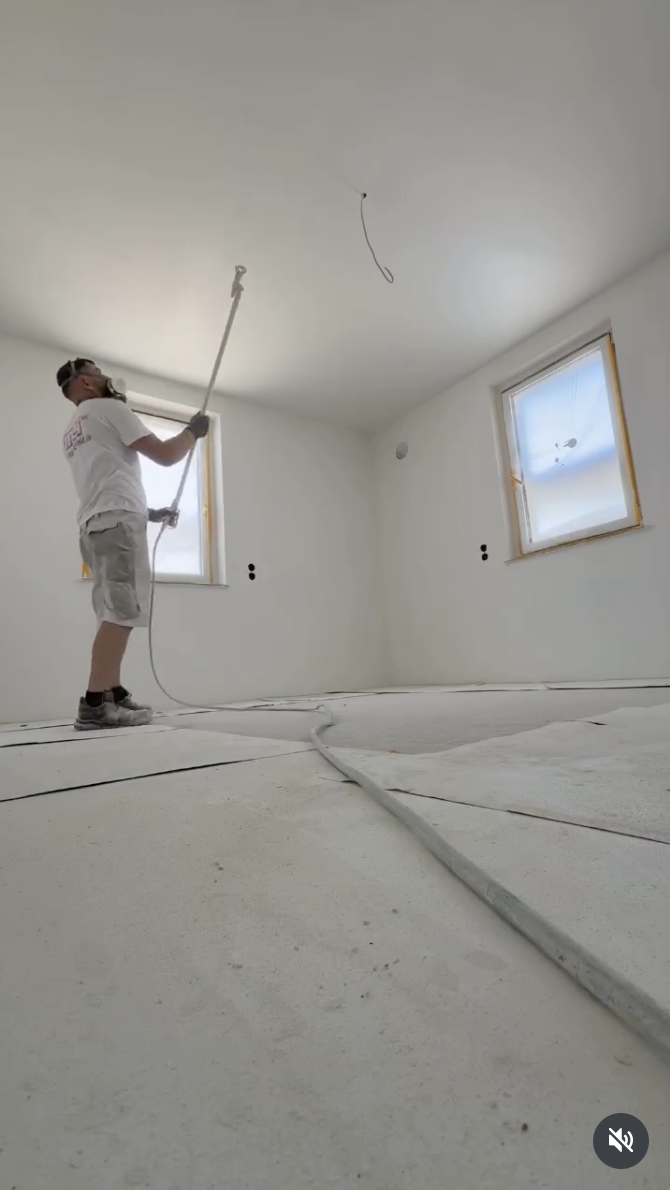
Format 1
Ideal for: Trades, cleaning, hair, gardens, automotive, renovation
Shows the result without advertising and works without sound.
Hook template[Result] in [time]. Here is how it looked before.
Pro tip: Mark the camera position so the after shot matches exactly.

Format 2
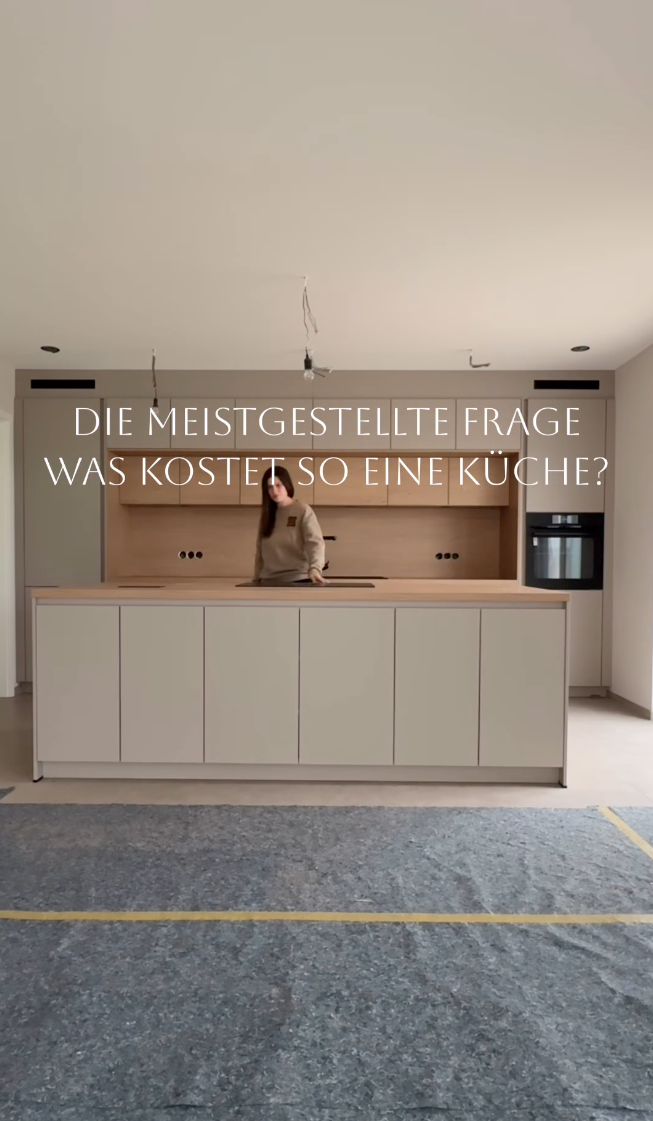
Ideal for: Every industry, especially practices and services
Answers what prospects search before they contact you.
Hook templateA question we get every week: [question]
Pro tip: Collect every question from calls, email and your shop for one week.
Format 3
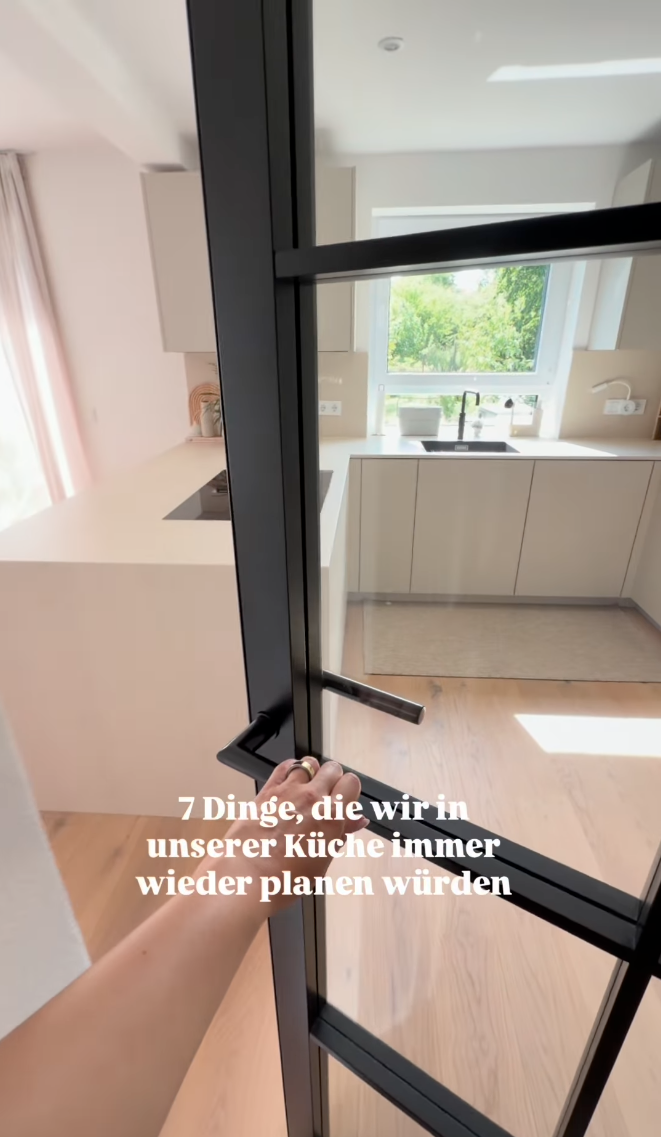
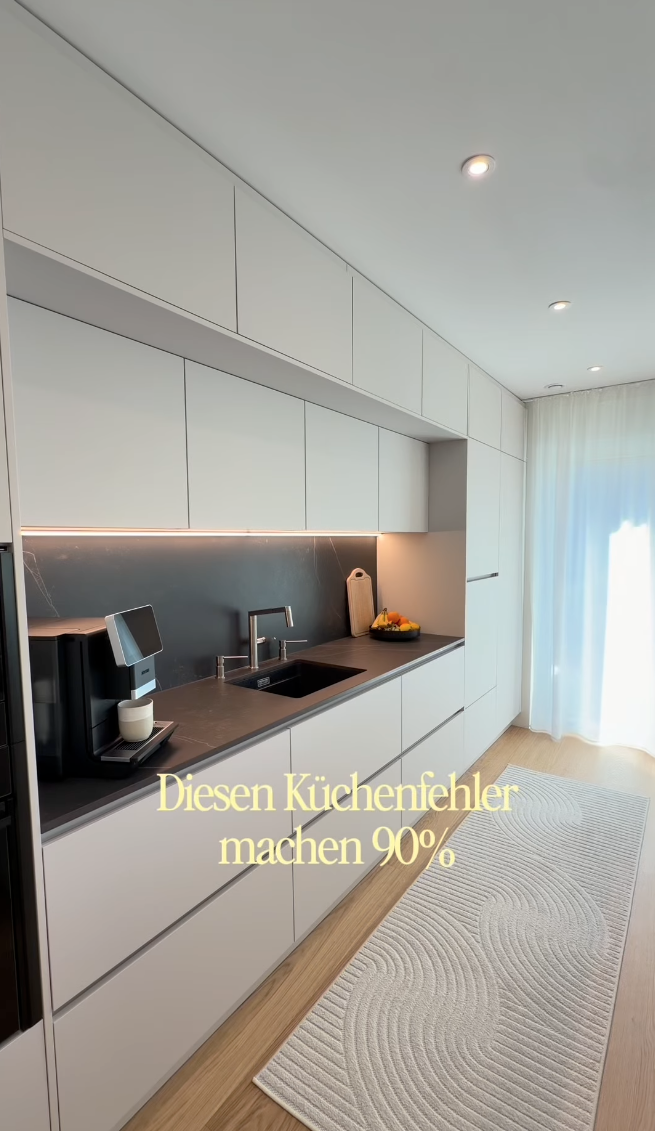
Ideal for: Trades, consulting, automotive and property
People want to avoid mistakes. This shows experience without boasting.
Hook template[Number] [topic] mistakes we see every week.
Pro tip: Stay helpful and never make fun of customers.
Format 4
Ideal for: Health, automotive, food, finance, home and garden
Corrects misconceptions and naturally invites comments.
Hook templateMyth or fact: [common claim]?
Pro tip: Turn it into a series with the same opening and design.
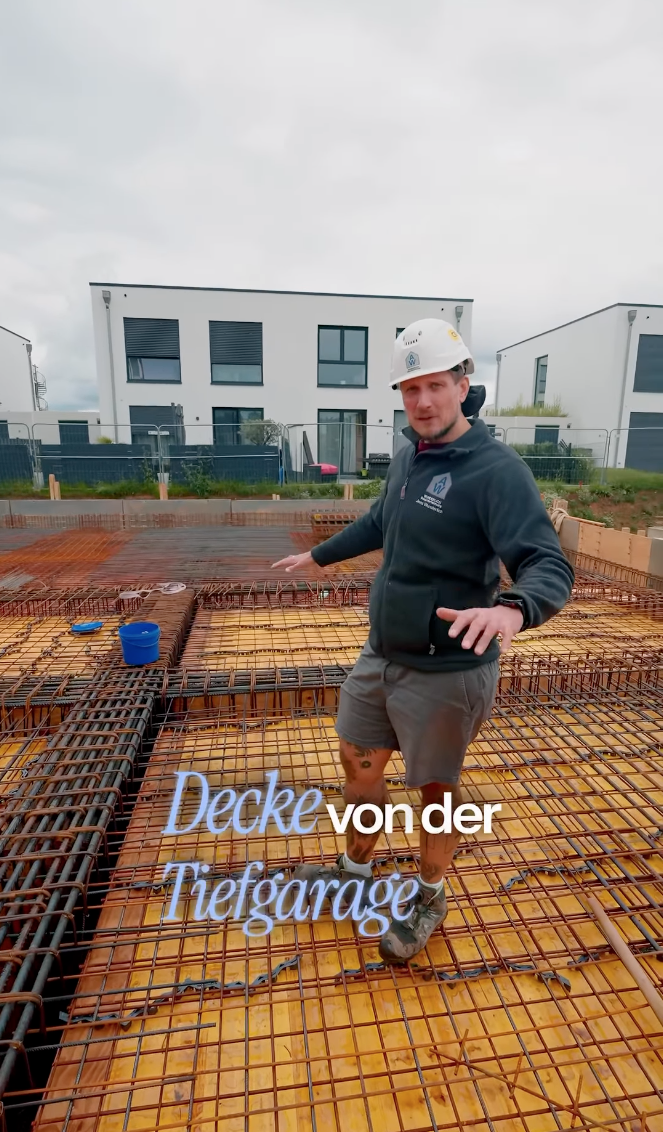
Format 5
Ideal for: Every industry
Instantly useful advice makes this format especially saveable.
Hook template[Number] tips to achieve [desired result].
Pro tip: One sentence per tip. Three strong tips beat five average ones.
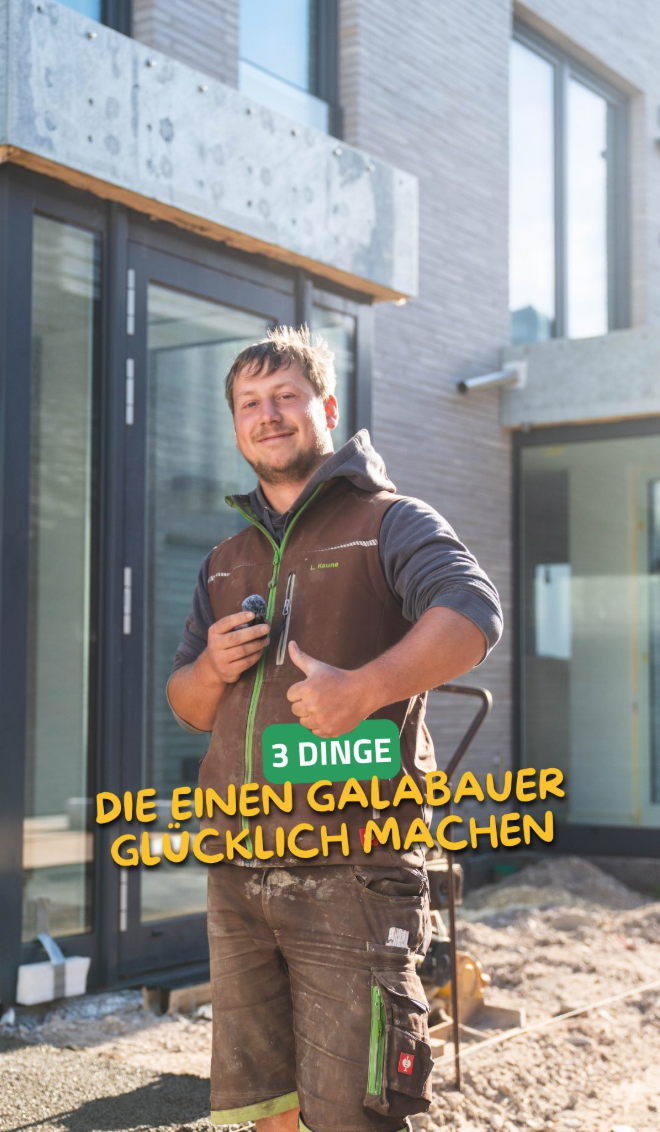
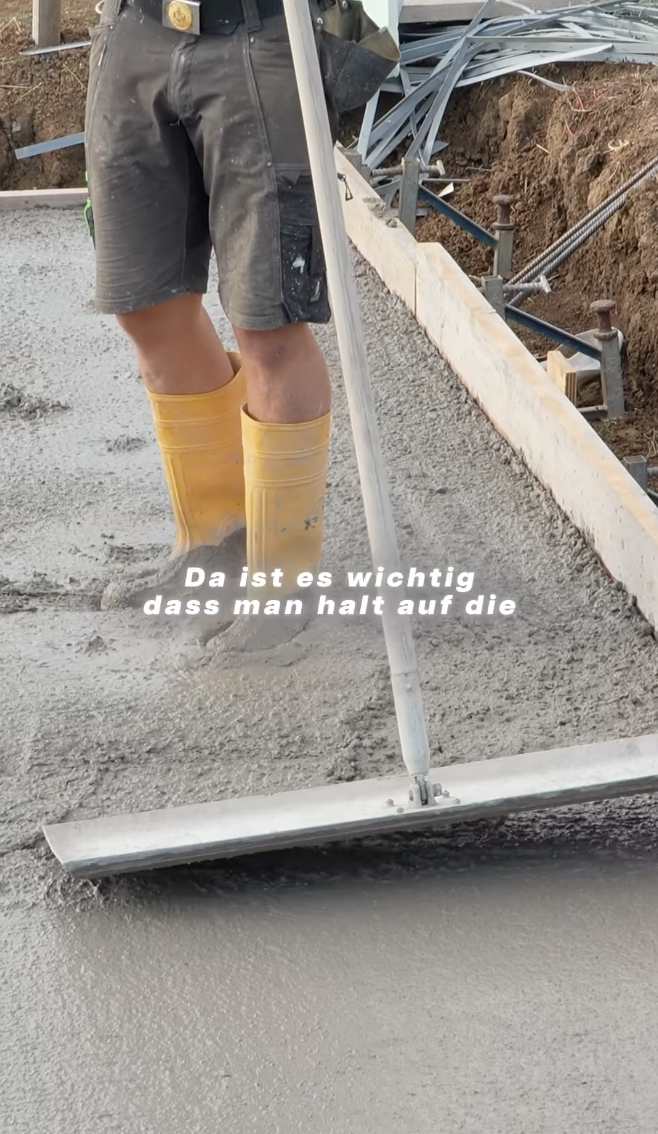
Show the process behind the product or service with natural sound.
What the company is working on right now: take your followers along on ongoing projects and decisions.
Employees share their workday — useful for trust and recruitment.
07 · The shoot day
A prepared shoot day produces 15 to 20 reels and lasts longer than filming spontaneously every day.
Morning
People are freshest on camera in the morning.
Midday
The pictures layered over the spoken text.
Afternoon
The relaxed part once everyone is warmed up.
08 · Equipment & editing
Viewers forgive a simple image, but not bad sound. Invest in audio first, then light, and camera last.
Use a wireless phone microphone and choose a quiet room.
Face a window; never put the window behind you.
Main camera, clean lens, 9:16 and eye level.
A simple tripod keeps the shot stable.
Free apps such as CapCut or Edits are enough.
Cut breaths, filler words and run-ups.
No intro and no logo.
Large, readable and away from the bottom edge.
Use zoom, B-roll or on-screen text.
Barely audible under speech and properly licensed.
Remove everything the video does not need.
These five points give the video a real chance.
Is it still understandable?
A clear text line keeps the profile tidy.
Repeat or extend the hook.
Add a location and 3–5 relevant terms.
Always export without another platform's logo.
09 · Publishing & measuring
Three reels every week beat ten at once followed by a silent month. Give your channel at least three months.
Reuse winners: repeat a successful format with a new hook or example.
Posting is only half the work: spend 15–20 minutes commenting meaningfully in your audience every day.
10 · Roadmap
About two to three hours per week plus one shoot day.
Week 1
A clear one-page plan
Week 2
Footage for 15+ reels
Week 3
A rhythm of 3 reels per week
Week 4
Your first winning format
11 · Avoid mistakes
We repeatedly see these problems on business accounts.
The first two seconds are too valuable. Start with the point.
Four out of five videos should teach, entertain or reveal something.
Many people watch without sound and otherwise miss the message.
The platform and your team need time to learn. Plan for three months.
A trend only helps when it fits your content pillars.
Use 9:16 and keep text readable near the centre.
Focus on watch time, shares and inquiries.
Social media is a conversation, not a noticeboard.
12 · The shortcut
That is exactly what we handle: positioning, an on-site shoot day, reels, publishing, stories, community and daily engagement. Your input: one shoot day and one monthly meeting.
Or email us: info@flaca.ai